Running Shoes: What Actually Matters When You Buy
The shoe wall at a running store is designed to overwhelm. Strip away the marketing and three things decide whether a shoe works for you: fit, foam, and how it slots into your rotation. Everything else — carbon plates, drop numbers, brand loyalty — is secondary to those three.
Fit beats features
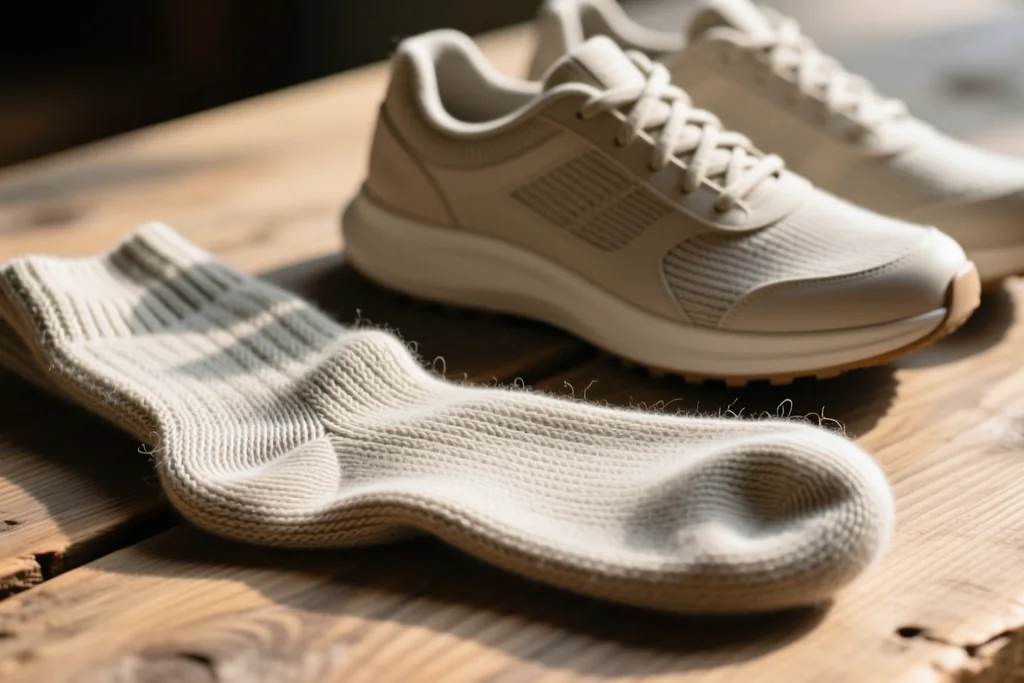
A shoe that fits disappears on your foot within the first kilometre. Shop in the evening when feet are swollen, leave a thumb's width at the toe, and lace up fully before judging. Numbness, hot spots, or heel slip in the shop do not improve with mileage — they get worse and cost you toenails.
What to pay for, what to skip
| Feature | Worth it? | Why |
|---|---|---|
| Modern foam midsole | Yes | Real difference in fatigue over long runs |
| Carbon plate | Races only | Minimal gain at easy training paces |
| Stability posting | Rarely | Most neutral runners do not need it |
| Latest model year | No | Last season's version is usually 30% cheaper |
Building a simple rotation
- Daily trainer: durable, comfortable, does 80% of your kilometres.
- Fast day shoe: lighter and firmer for intervals and tempo work.
- Race shoe: your best pair, saved for the sessions that matter.
When to retire a pair
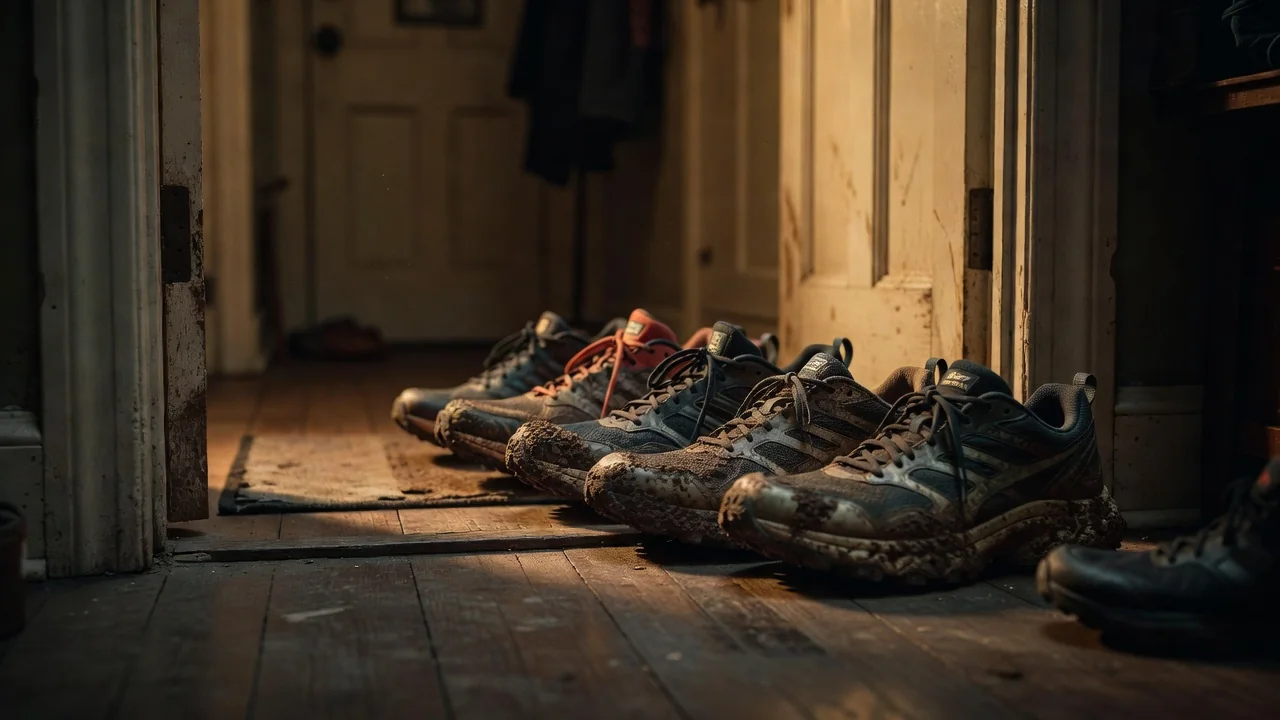
Most foams are done between 500 and 700 kilometres, long before the outsole looks worn. Track mileage per pair, and retire shoes when easy runs start leaving your calves unreasonably sore. Worn shoes are the cheapest injury to prevent and the most common one amateurs ignore.