GPS Watches on a Budget: Track Less, Learn More
Entry-level GPS watches now measure everything mid-range models did five years ago. The trap is not the hardware but the dashboard: amateurs drown in metrics and miss the two or three numbers that actually guide training. Buy the cheaper watch and learn to read it properly.
What a budget watch does well
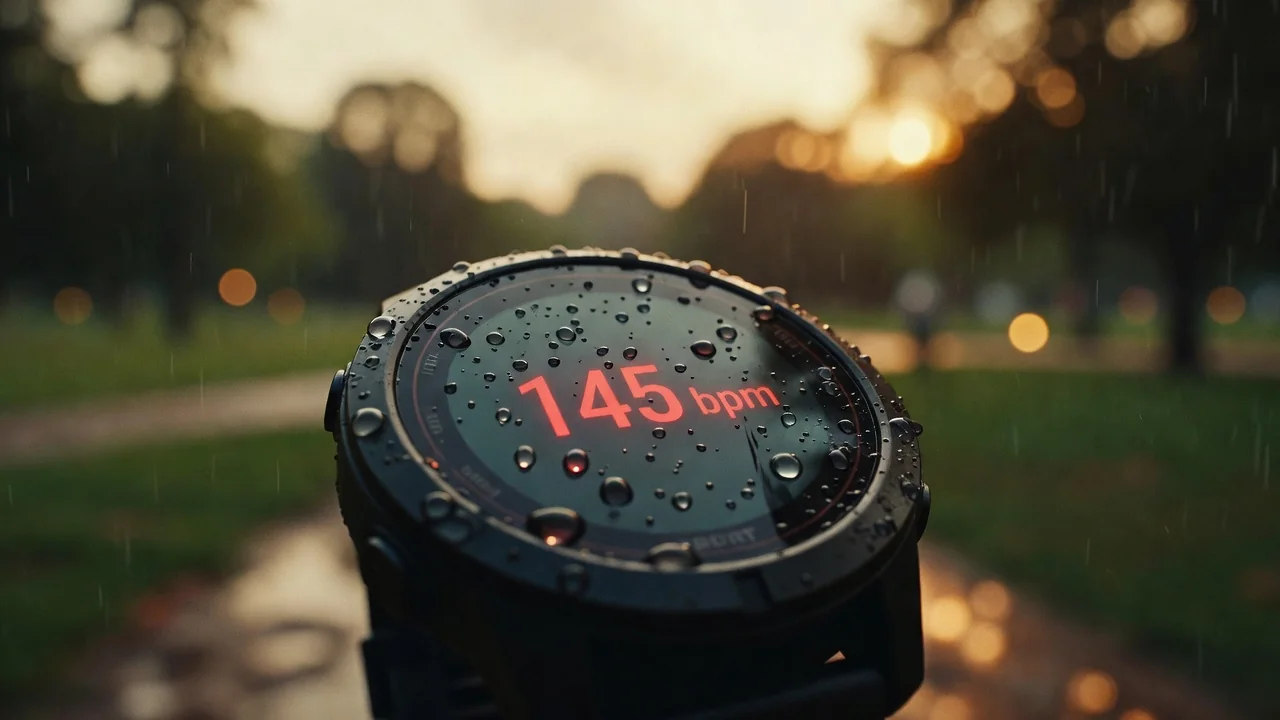
Any watch above the true bargain tier tracks pace, distance, and heart rate accurately enough for training decisions. Battery life of a week or more, reliable GPS lock in under thirty seconds, and a simple lap button cover ninety percent of amateur needs. Music, maps, and contactless payments are conveniences, not training tools.
Metrics ranked by usefulness
| Metric | Use it for | Priority |
|---|---|---|
| Time and distance | Weekly volume | Essential |
| Heart rate | Keeping easy days easy | High |
| Pace per lap | Interval sessions | High |
| VO2max estimate | Rough trend only | Low |
| Training readiness scores | Entertainment | Ignore |
Habits worth more than hardware
- Lap button discipline: manual laps beat auto-lap for interval analysis.
- Weekly totals review: ten minutes every Sunday, looking at volume and easy-run heart rate.
- Chest strap for intervals: wrist sensors lag by ten to fifteen seconds on sharp efforts.
The upgrade question
Upgrade when a specific missing feature blocks a specific training decision — not when a new model launches. For most amateurs that moment never arrives, and the money is better spent on race entries, a physio session, or simply better food during heavy training blocks.