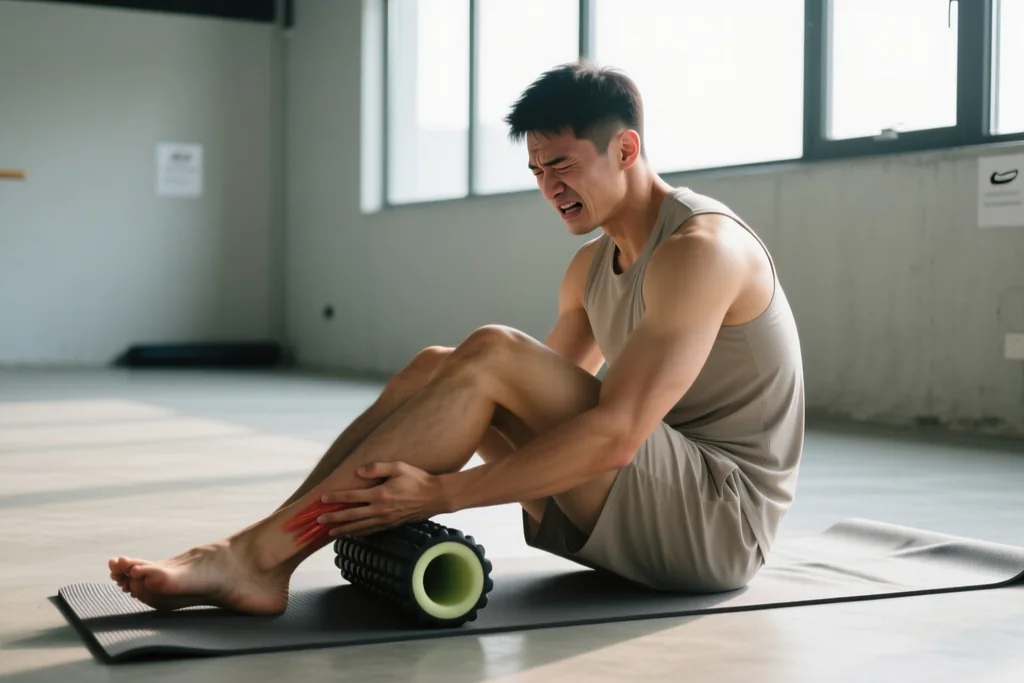
Sleep and Recovery Routines That Survive Real Life
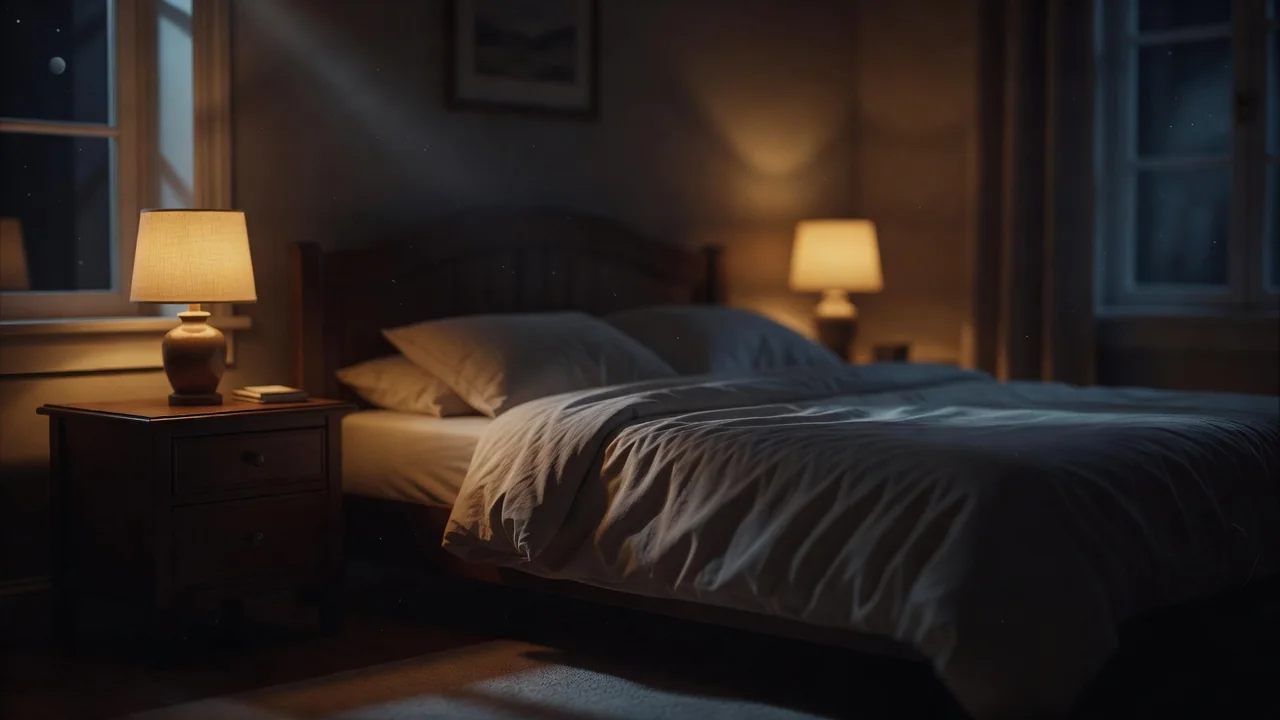
Recovery gadgets come and go; sleep remains the only intervention with decisive evidence behind it. For amateurs balancing training with work, the win is not more optimisation but fewer disruptions: consistent timing, sensible caffeine cutoffs, and a bedroom that is dark, cool, and boring.
The three levers
Timing, light, and temperature do most of the work. A fixed wake time — even on weekends — anchors your body clock better than any supplement. Morning daylight for ten minutes sets the day; dim screens and warm lamps in the last hour set the night. A room at 18–19°C outperforms any cooling mattress pad.
Training days vs rest days
| Habit | Hard day | Easy day |
|---|---|---|
| Bedtime | 30–60 min earlier | Normal |
| Caffeine cutoff | 8 h before bed | 8 h before bed |
| Evening meal | Carbs included, 2–3 h before bed | Lighter, earlier |
| Alcohol | Skip — it wrecks recovery sleep | Minimal at most |
Daytime habits that protect the night
- Anchor wake time: the single highest-leverage habit, worth protecting on weekends.
- Nap strategically: twenty minutes before 15:00 helps; longer or later steals night sleep.
- Hard sessions early: intense training within three hours of bedtime delays deep sleep.
Measuring without obsessing
You do not need a sleep score. Two questions each morning — how many hours, and how refreshed on a 1–5 scale — build a useful baseline in two weeks. When the score drops three mornings running, the fix is almost never a gadget: it is an earlier night and an easier training day.